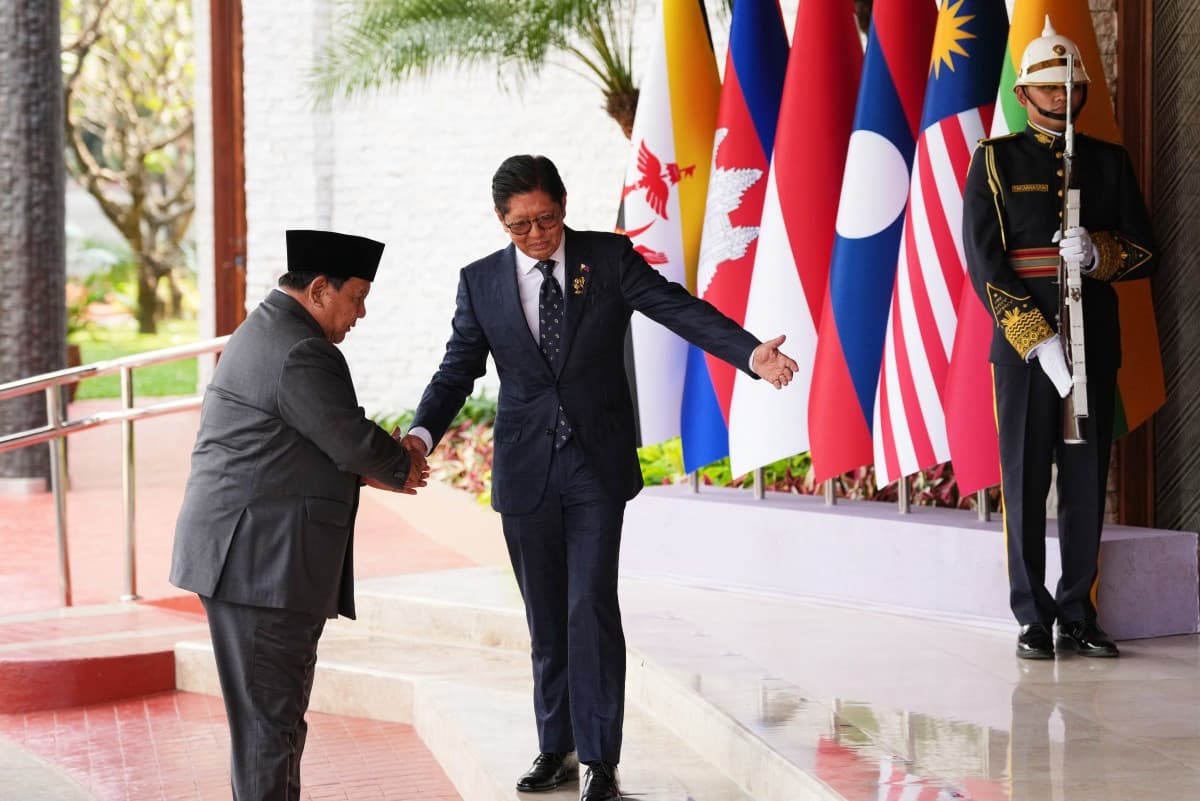
Indonesian President Prabowo Subianto offered a formal apology to fellow ASEAN leaders on Sunday for the haze crisis that has spread across parts of Southeast Asia. The gesture came during the 49th ASEAN Summit in Manila, where regional leaders gathered to discuss trade, security, and an ongoing energy crisis within the bloc.
The wildfires burning in Indonesia have sent dense smoke across national borders, creating friction between Jakarta and its neighbors. The transboundary haze had been among the most anticipated issues on the summit agenda.
Indonesia's Response and Enforcement Actions
Speaking at the summit's plenary session, President Prabowo outlined concrete steps his administration is taking to hold polluters accountable. He reported that the government has revoked 17 concessions from companies linked to the fires. Additionally, 26 companies are currently under investigation, 11 have been charged, and another 23 are on a list to be charged. In total, 104 companies are under investigation by Indonesian police. Beyond corporate accountability, the president highlighted the human and resource cost of the disaster response. Indonesia deployed 71,000 forest firefighters to combat the blazes. Tragically, 16 people died and many more were injured during firefighting operations. The country also lost two helicopters in the effort. Prabowo noted that Indonesia is preparing to establish a new agency and prevention programs to address forest fires going forward. His remarks came as the transboundary haze problem has started to subside.
Regional Context for Travel Operators
The haze situation underscores the environmental challenges that can affect travel conditions across Southeast Asia. Smoke from wildfires can impact air quality, visibility, and outdoor activities in destinations far from the actual fire zones. For independent hospitality operators, these environmental events can mean sudden changes in guest experience, cancellations, or health concerns among visitors.
Why it matters for hosts
Independent operators in affected areas should monitor air quality indexes during fire season and consider having N95 masks available for guests. Properties with outdoor amenities may need contingency plans for poor air quality days. Clear communication about current conditions helps manage guest expectations and demonstrates proactive care for visitor wellbeing. This story was first reported by The Jakarta Post.
First reported by thejakartapost.com.