Jakarta's transit authorities are looking to Seoul for lessons on how to build a more integrated, data-driven transportation network. MRT Jakarta recently sent officials to study the Seoul Metropolitan Government's transport control center, known as the Transport Operation and Information Service (TOPIS), with the goal of adapting similar technology to manage urban mobility in the Indonesian capital.
The visit provided MRT Jakarta with direct exposure to how Seoul uses technology to monitor and manage its complex transportation network. Rendy Primartantyo, who heads the corporate secretary division at MRT Jakarta, noted that the Seoul system integrates information from multiple sources to give authorities a comprehensive view of how people move around the city.
TOPIS relies on thousands of CCTV cameras installed throughout Seoul. The system processes footage into analytical data that helps city officials monitor traffic conditions, identify congestion hotspots, and detect incidents on the roads. Beyond road traffic, the system also tracks usage of public transportation modes including subways, buses, taxis, and bicycles.
According to Seoul Metropolitan Government public officer An Young Jin, TOPIS began operating in 2004 with basic functions, initially providing information on traffic conditions such as congestion levels in the Namsan Mountain Tunnel. Over time, the system expanded its capabilities to monitor vehicle volumes and average speeds. It now also provides subway and bus arrival and departure information, helping passengers plan their journeys more efficiently.
For Jakarta, one key takeaway is the use of artificial intelligence to process and analyze transportation data. Rendy emphasized that while AI provides analysis, final decisions remain in human hands. The hope is that data collected from CCTV cameras across Jakarta can be used to develop better public policies for residents.
Seoul is continuing to advance its urban mobility initiatives, with plans to have 500 autonomous buses operating by 2030. The city's experience offers Jakarta a reference point as it pursues its own smart city ambitions, particularly as the capital prepares to mark its 500th anniversary in 2027.
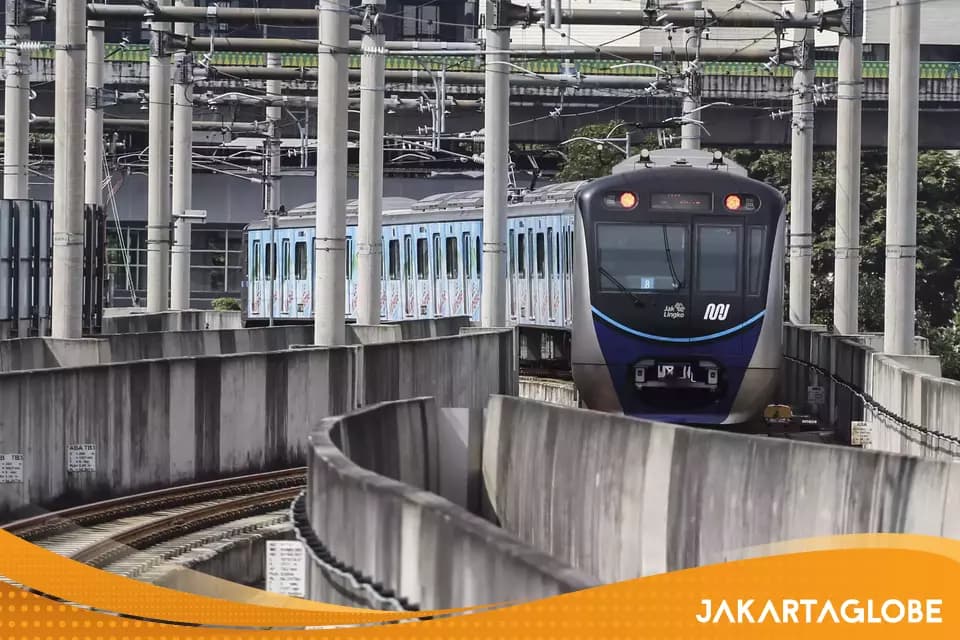
The study visit aligns with broader efforts to improve Jakarta's public transportation infrastructure. Recent projects include MRT expansion beyond the capital to South Tangerang, underground concourse development at Bundaran HI Station, and pedestrian deck construction at Dukuh Atas. Foreign visitors can also now use credit cards to ride the MRT without purchasing transit cards.
Why it matters for hosts
Independent hospitality operators in Jakarta should anticipate gradual improvements in transit information and connectivity as smart city initiatives progress. Properties near MRT stations or major transit hubs can highlight real-time arrival tools and integrated transport options once they become available. Hosts may also benefit from familiarizing guests with emerging digital tools for navigating the city, especially as Jakarta positions itself for its 2027 anniversary celebrations.
This article is based on reporting by the Jakarta Globe, which first published these details.
First reported by jakartaglobe.id.