Communities across Sumatra are facing renewed weather hazards as two tropical cyclone systems intensify over the Indian Ocean. The developing storms come at a difficult moment for regions still recovering from severe hydrometeorological disasters that struck last year.
Indonesia's Meteorology, Climatology and Geophysics Agency, known as BMKG, confirmed in a mid-November assessment that a tropical cyclone seed designated 92B had strengthened into a named storm called Akvan. The cyclone was tracking over the Bay of Bengal, approximately 150 kilometers northwest of Aceh, and moving away from Indonesian waters.
A second system, tropical cyclone seed 96S, was forming over waters off West Sumatra and showed potential to intensify into a full cyclone. Even in its developing stage, the system had already contributed to heavy rainfall across Aceh, West Sumatra, and North Sumatra provinces.
BMKG acting deputy for meteorology Andri Ramdhani emphasized that while the storm center may move away from Indonesia, the indirect effects require attention. Increased rainfall and high waves along Sumatra's western coast remain significant concerns.
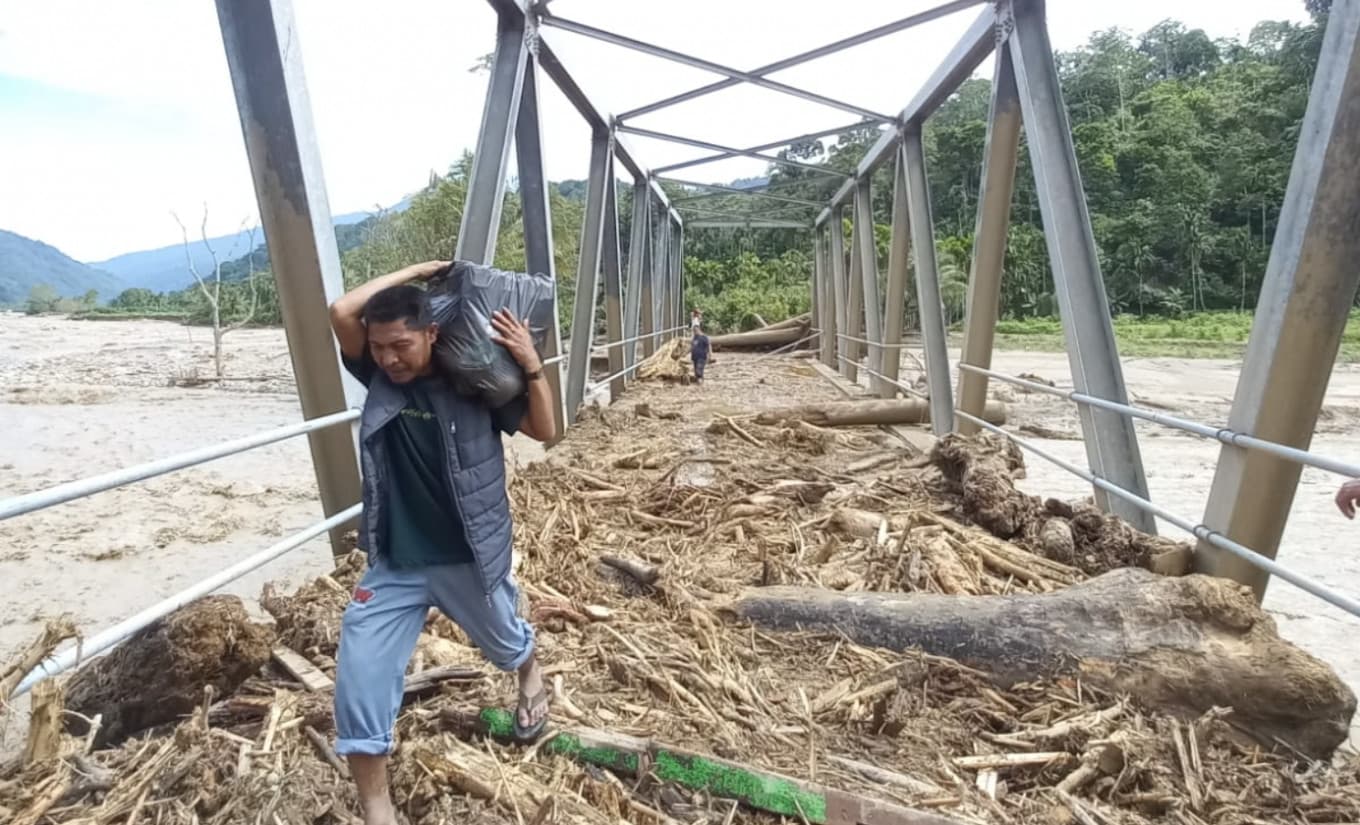
The weather threat compounds existing challenges on the ground. Aceh declared a province-wide disaster emergency on November 11, set to remain in effect until January 31. The declaration follows torrential rains that triggered multiple floods and landslides across the province. Images from Gayo Lues regency showed bridges littered with logs swept downstream by flash floods, illustrating the ongoing disruption to infrastructure.
For travelers planning visits to northern Sumatra, the situation underscores the importance of monitoring official weather advisories. The combination of recovering disaster zones and active weather systems means conditions can change rapidly in affected areas.
Western Sumatra's coastal areas face particular risks from high waves, while inland regions remain vulnerable to flooding and landslides. Travelers should expect potential disruptions to road access and local infrastructure, especially in Aceh and surrounding provinces.
Why it matters for hosts
Independent hospitality operators in Sumatra should maintain direct communication channels with guests about weather developments and have contingency plans for itinerary changes. Consider building flexibility into cancellation policies during the November through January monsoon period, and ensure you can provide accurate local guidance about which areas remain accessible and safe for visitors.
This report draws on coverage first published by The Jakarta Post.
First reported by thejakartapost.com.