Bali is projecting another record year for international tourism, with the island's governor forecasting between 7.1 million and 7.2 million foreign arrivals in 2026. If accurate, this would exceed the 6.95 million international visitors recorded in 2025. However, the nature of those visits is shifting, and that shift is reshaping the island's property landscape.
According to a report by Getaway, which first published these details, more travelers are choosing to stay for months rather than days. Remote workers, entrepreneurs, and families are treating Bali as a temporary home base, seeking private villas and long-term rentals over traditional hotel stays. This trend is creating new revenue streams for property owners and developers, particularly in areas outside the main tourist hubs, but it is also contributing to housing affordability concerns for local residents.
The Organisation for Economic Co-operation and Development (OECD) documented the scale of this change in a 2026 report. Short-term rental listings across Bali grew by 162% between 2022 and 2025. The OECD noted that this rapid expansion of informal accommodation is contributing to unmanaged development and placing competitive pressure on licensed accommodation operators. A separate 2025 report by Channel News Asia highlighted how increased demand from foreign visitors and remote workers is pushing up property prices, affecting housing access for the island's residents.
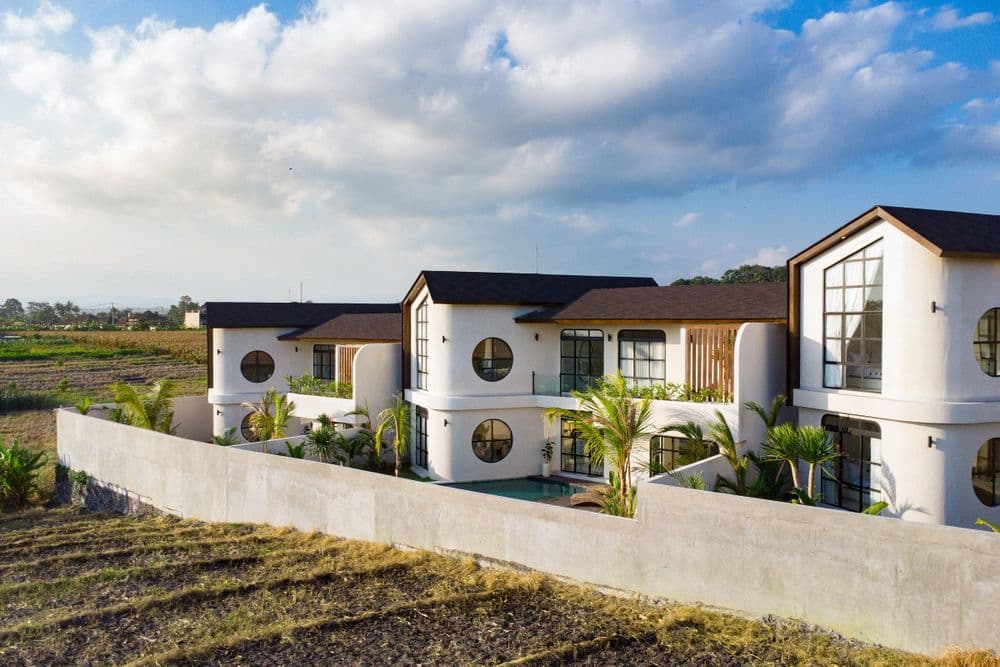
Property developers are responding to the demand. Unreal Studio Bali, an architecture and development firm based in Cemagi on the west coast, reports selling nearly 100 homes since its founding in 2019. The company uses a design-build model, managing projects from concept through construction, which appeals to international buyers who may not be on the island during the build process. Completed projects like its Venaso Villas in Tabanan combine Mediterranean-inspired design with Balinese craftsmanship, reflecting the aesthetic preferences of the long-stay market.
The challenge for Bali lies in balancing these economic opportunities with the needs of the local community. As more international visitors settle in for extended periods, the strain on housing supply and the character of residential neighborhoods becomes more pronounced.
Why it matters for hosts
Independent operators should monitor where long-stay demand is concentrating, particularly in areas outside traditional tourist centers. If you operate in emerging neighborhoods, positioning your property for monthly or extended stays could open a lucrative segment, but be aware that unregulated short-term rental growth is drawing scrutiny from policy makers concerned about housing access for locals.
First reported by getaway.co.za.