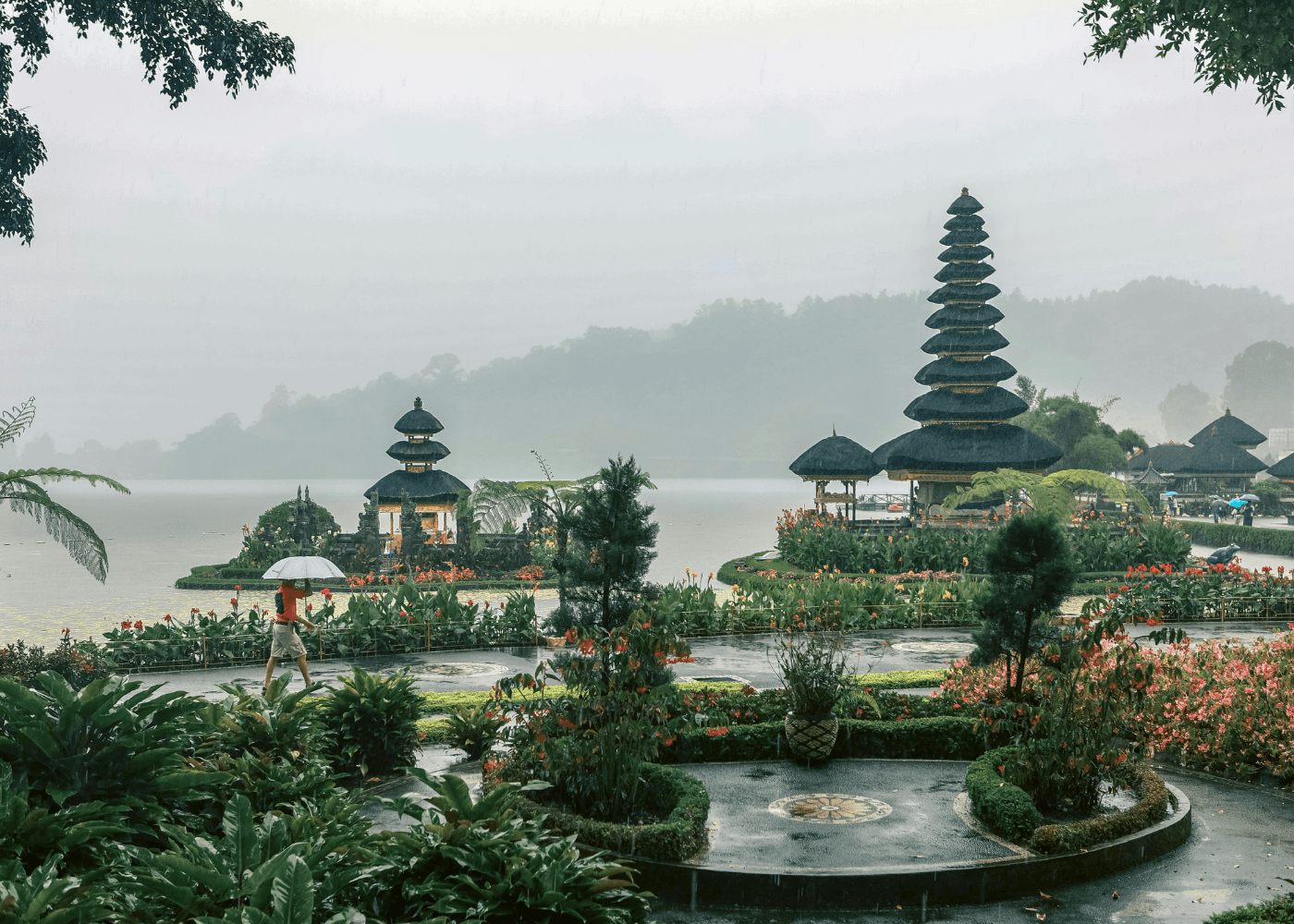
Bali has long been synonymous with short beach holidays and luxury resort stays, but the profile of visitors to the Indonesian island is changing. An increasing number of remote workers, entrepreneurs, and families are choosing to stay for months rather than weeks, seeking accommodation that allows them to settle into island life while continuing their work.
This shift in traveler behavior is influencing the type of accommodation visitors seek. Rather than booking traditional hotel rooms for brief holidays, many are opting for longer-term rentals and private villas that offer space to work and live beyond the main tourist attractions.
Bali Governor Wayan Koster announced in October that the island is projecting between 7.1 million and 7.2 million foreign tourist arrivals in 2026. If realized, this would exceed the 6.95 million international arrivals recorded in 2025. However, statistics for January through September 2026 showed arrivals slightly lower than the same period in the previous year.
The changing nature of travel is creating opportunities for property developers but also raising questions about the impact on local communities. A 2026 OECD report on Indonesia's tourism sector highlighted that short-term rental listings in Bali increased by 162% between 2022 and 2025. The report noted that the growth of informal accommodation was contributing to unmanaged development and putting pressure on licensed operators.
Housing affordability has also become a concern. A 2025 report by Channel News Asia explored resident worries about rising property prices as more remote workers make Bali their base.
Some developers are responding to the demand for longer-stay accommodation with projects designed specifically for this market. Unreal Studio Bali, an architecture, development, and construction studio based in Cemagi on the island's west coast, has been operating since 2019 and reports selling close to 100 homes. The company uses a design-build model, managing design, development, and construction in-house to give greater control over timelines and costs, which can be a concern for overseas buyers in markets where construction delays are common.
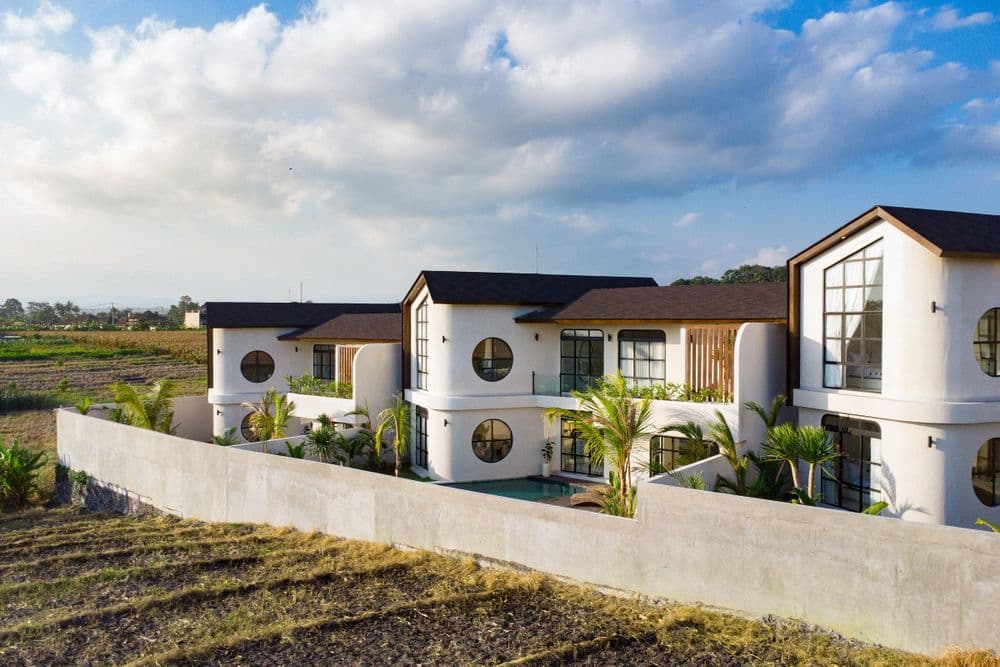
The studio's recently completed Venaso Villas development in Tabanan reflects emerging architectural trends. Set among rice fields, the whitewashed pool villas combine Mediterranean-inspired forms with Balinese craftsmanship, catering to growing interest in homes that offer privacy and resort-style comforts while drawing on local architectural character.
As Bali continues to attract international visitors, the conversation around tourism is expanding beyond arrival numbers and hotel occupancy. It increasingly centers on where people stay, how long they remain, and what the growing property market means for the communities that call the island home.
Why it matters for hosts
Independent operators should consider whether their properties can accommodate extended stays, as this segment shows strong growth. Offering monthly rates, reliable workspace amenities, and kitchen facilities could attract remote workers seeking alternatives to traditional hotels. However, hosts should also stay informed about local regulatory discussions around short-term rentals, as concerns about housing availability for residents may lead to policy changes.
This article was first reported by IOL.
First reported by iol.co.za.