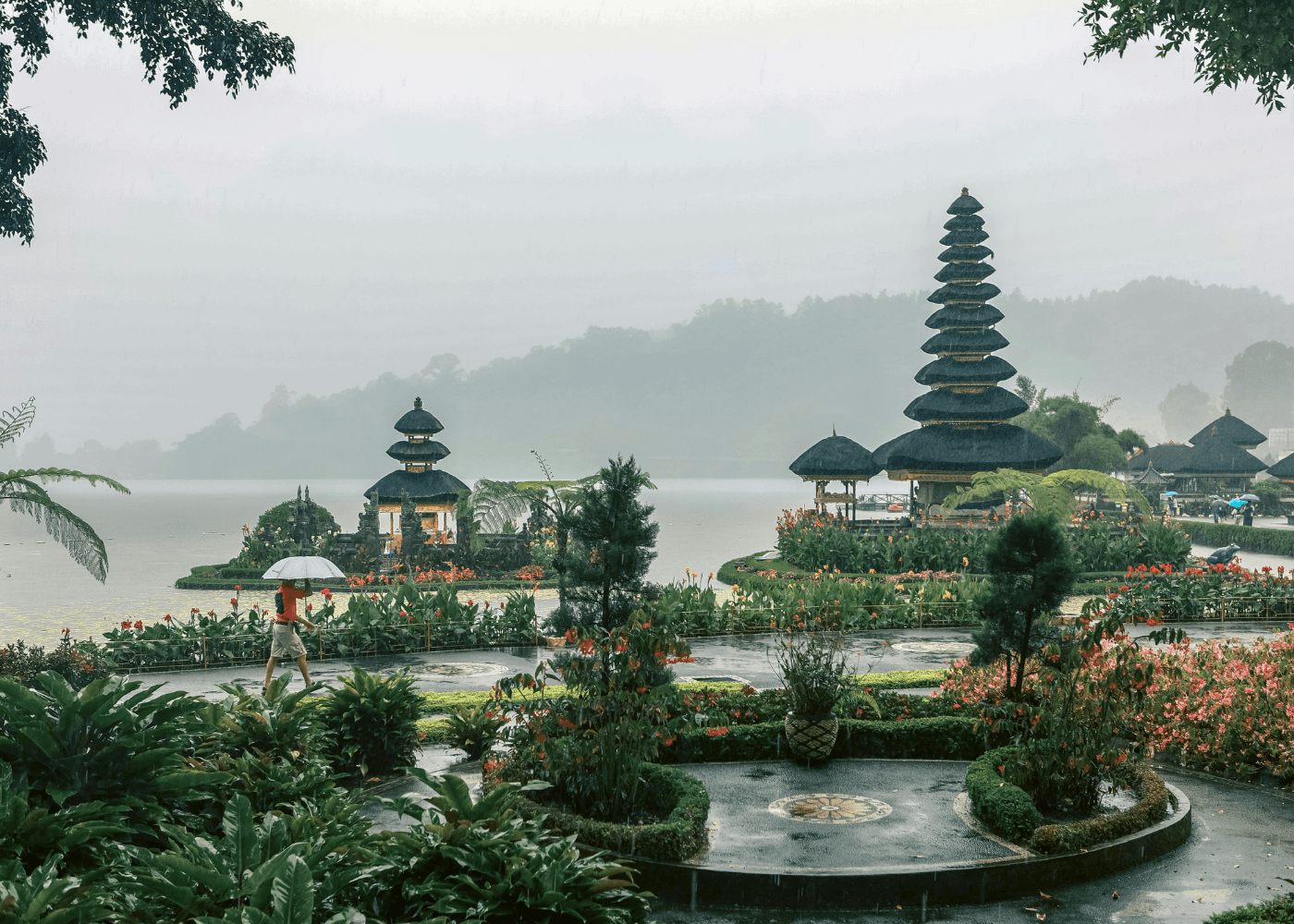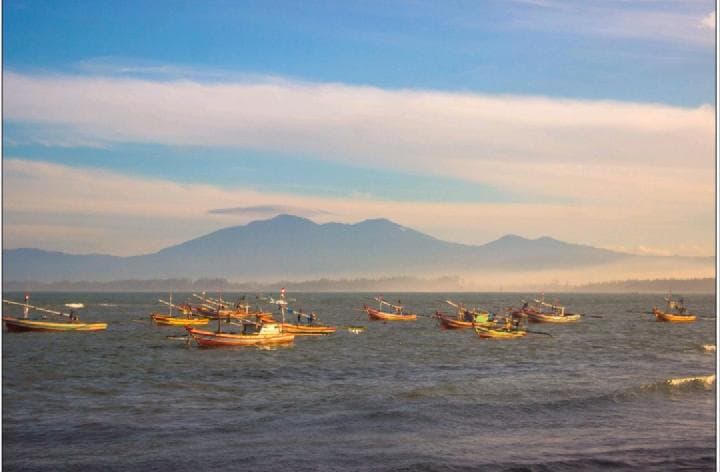
Bali's Tourism Office has publicly reaffirmed that the Indonesian island remains safe and welcoming for international visitors, responding to recent international media coverage that advised travelers to reconsider the destination. I Wayan Sumarajaya, head of the Bali Tourism Office, stated that the island is extremely safe for tourism and continues to be one of the world's top destinations.
The statement follows the release of the annual "No List 2027" by Fodor's Travel, a U.S.-based travel guide publisher. The publication recommended that international travelers reconsider visiting eight destinations globally, citing the negative impacts of overtourism on local infrastructure, the environment, and communities. Regarding Bali, the report specifically highlighted air pollution from waste burning, the reduction of agricultural land due to development, and increasing strain on water resources.
Sumarajaya acknowledged the criticism, noting that the provincial government views such feedback as valuable material for future evaluation. He confirmed that local authorities and tourism industry stakeholders have already begun addressing the pressing issues frequently raised about the island, including environmental concerns, waste management, and traffic congestion.
Despite the critical coverage, Bali's tourism sector has continued to receive international recognition throughout 2025 and 2026. Sumarajaya pointed to the island winning six Asian awards at the 2026 World Travel Awards, including Asia's Leading Wedding Destination, Asia's Leading Resort, Asia's Leading Green Resort, and Asia's Leading Water Park.
The provincial government has emphasized that future growth in tourist arrivals must be accompanied by better destination management, environmental protection, and cultural preservation. Officials aim to ensure that local communities benefit directly from tourism development economically. The government's strategy focuses on a transformation toward culture-based, quality tourism aligned with the Nangun Sat Kerthi Loka Bali vision, prioritizing a well-managed destination over raw visitor numbers.
Bali was one of eight destinations named on the list, alongside the Albanian Riviera, Italy's Amalfi Coast, Corsica in France, Edinburgh in Scotland, Kyoto in Japan, Tanzania's Ngorongoro Conservation Area, and Sedona in Arizona.
Why it matters for hosts
Independent operators should be prepared to address guest questions about sustainability and overcrowding. Properties that can demonstrate concrete efforts in waste reduction, water conservation, or cultural preservation have a genuine marketing advantage. Travelers are increasingly informed about overtourism issues, and hosts who can articulate how their business supports the local community and environment will build stronger trust with conscious visitors.
This article is based on reporting by Tempo, which first published these details.
First reported by en.tempo.co.