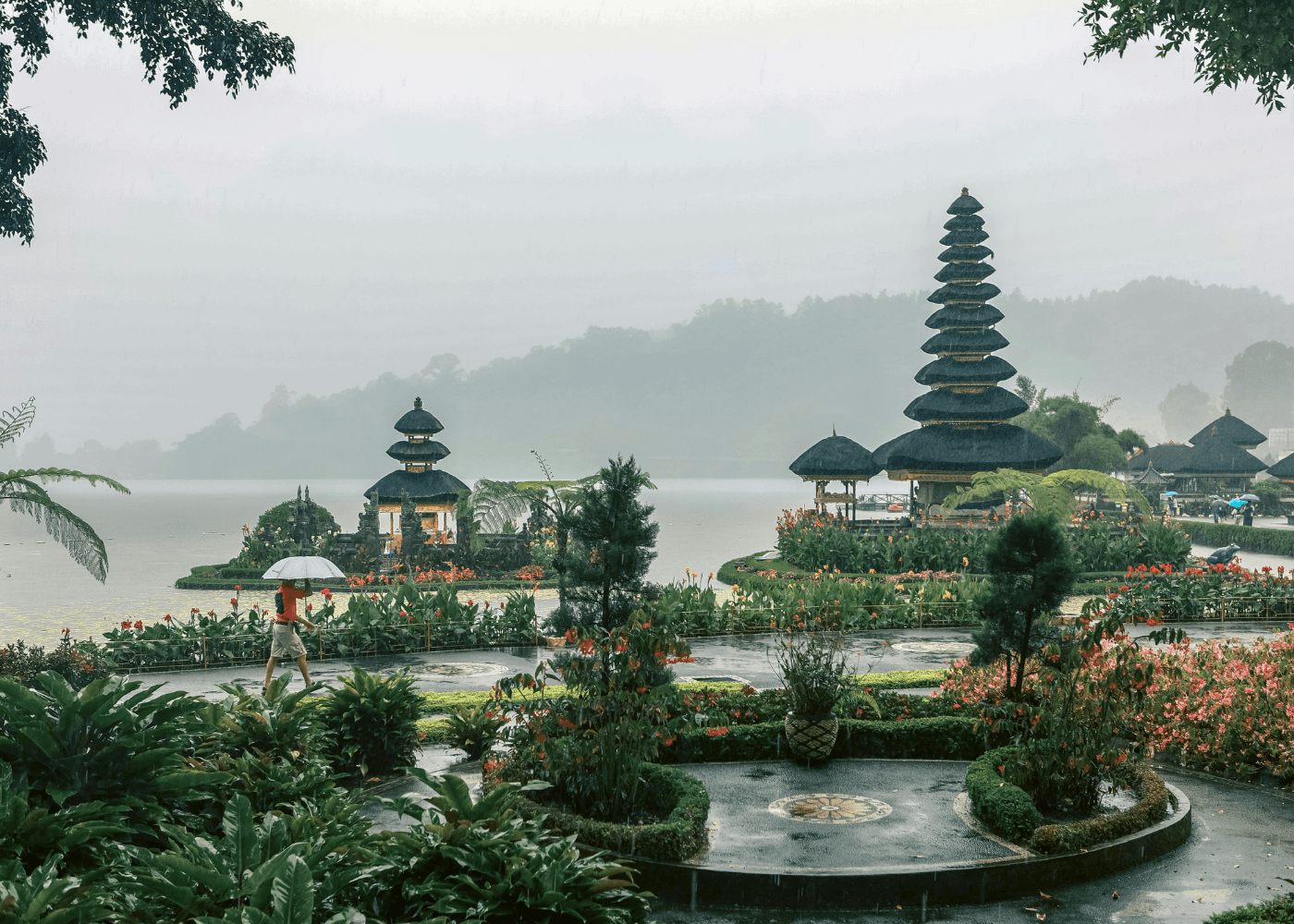
A new retail concept at Desa Potato Head in Bali asks shoppers to think about how products are made, not just what they cost. The Good Times General Store, designed by OMA in collaboration with the hospitality brand, prioritizes experience and participation over conventional consumption.
According to Design Milk, which first reported the details, the space is Potato Head's first permanent retail venture. David Gianotten, OMA managing partner, explains that the design focuses on interaction rather than simply displaying products for sale.
Local Materials Meet Contemporary Design
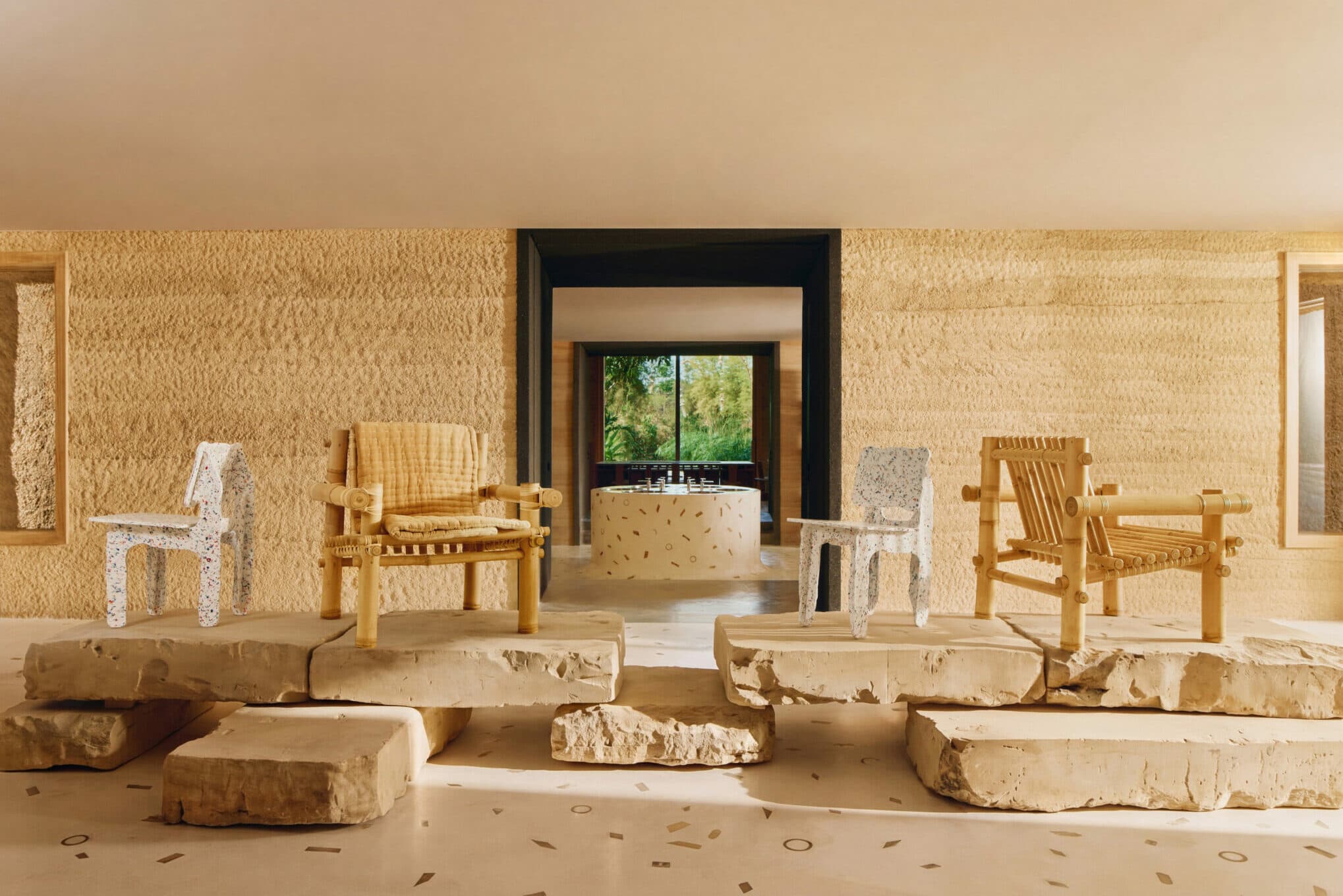
The architecture blends Balinese building traditions with modern design sensibilities. An exterior facade uses alang-alang thatch, a tropical grass sourced locally, while rammed-earth walls made from regional clay define the interior. Bamboo appears throughout the structure, including as an aggregate in terrazzo flooring and in various display elements.
Ade Herkarisma, group head of architecture and development at Potato Head, notes that the goal was to reinterpret traditional Balinese craftsmanship in a contemporary way rather than reproducing decorative forms. The design team allowed natural variations in reclaimed materials to guide the assembly, embracing irregularities instead of concealing them.
Five Bays From Product to Process
The store unfolds across five interconnected sections. The first showcases lifestyle objects and souvenirs by Indonesian craftspeople. The second presents the Potato Head Collection, an apparel line drawing inspiration from Bali. The third introduces Wasted by Potato Head, a collaboration with British designer Max Lamb that transforms discarded materials into furniture and homewares.
The final two bays shift from browsing to making. A working natural dye studio converts food and plant waste into pigments used in workshops on dyeing and pattern-making. Beyond it, The Workshop displays shredded HDPE plastic recovered from waste collectors across Bali and Java, turning the colorful fragments into architectural elements.
Circularity as Experience
The store connects to broader sustainability efforts at Desa Potato Head, including a Waste Lab and Follow the Waste Tour. These initiatives demonstrate how discarded materials can be recovered and repurposed.
Gianotten describes circularity as something experiential rather than abstract. Designing with reclaimed resources required flexibility, as the team adapted specifications to match available materials rather than forcing predetermined requirements.
Herkarisma emphasizes that circularity extends beyond material selection to include how spaces are designed, built, and operated. The store makes the act of making visible, placing workshops alongside retail displays.
Why it matters for hosts
Independent operators in Bali can draw inspiration from how this project turns sustainability into a guest experience rather than just a policy. By showcasing local materials and offering hands-on workshops, properties can differentiate themselves through authentic engagement with Balinese craft traditions. Even small-scale initiatives, such as partnering with local artisans or creating visible waste-reduction efforts, can give guests a deeper connection to the destination.
This story was first reported by Design Milk.
First reported by design-milk.com.