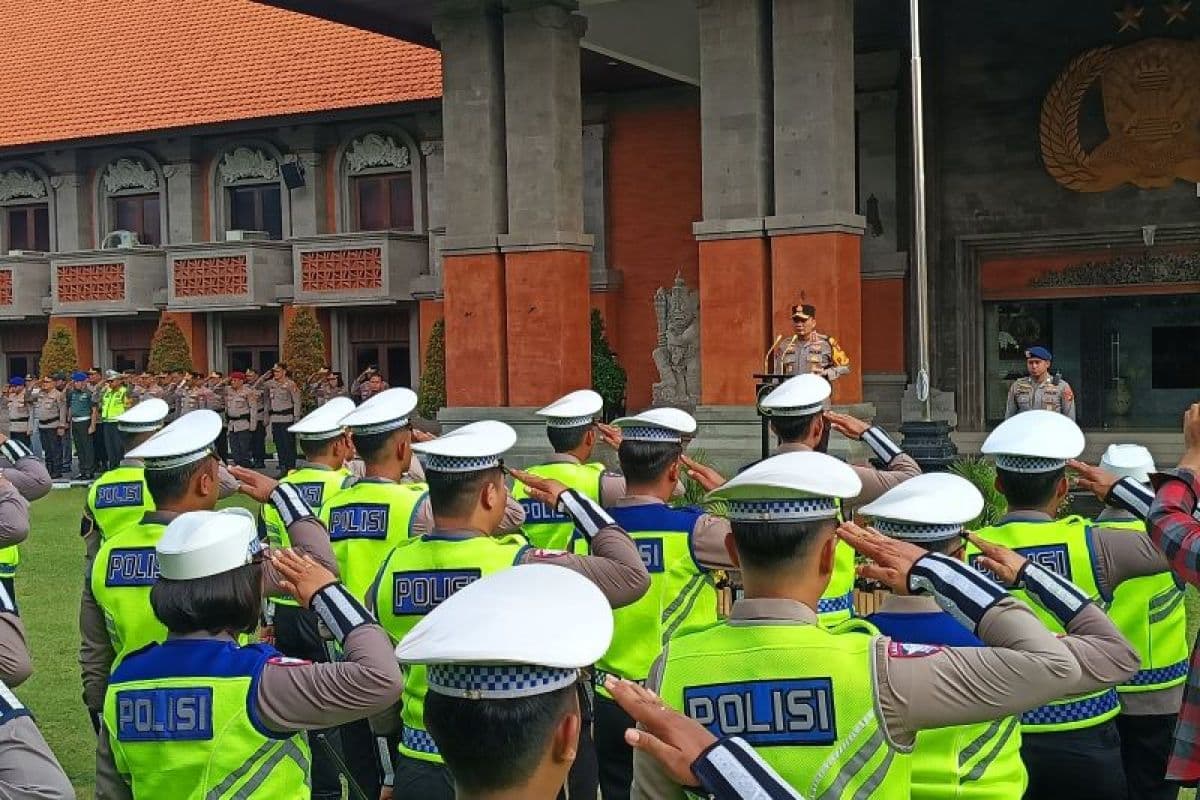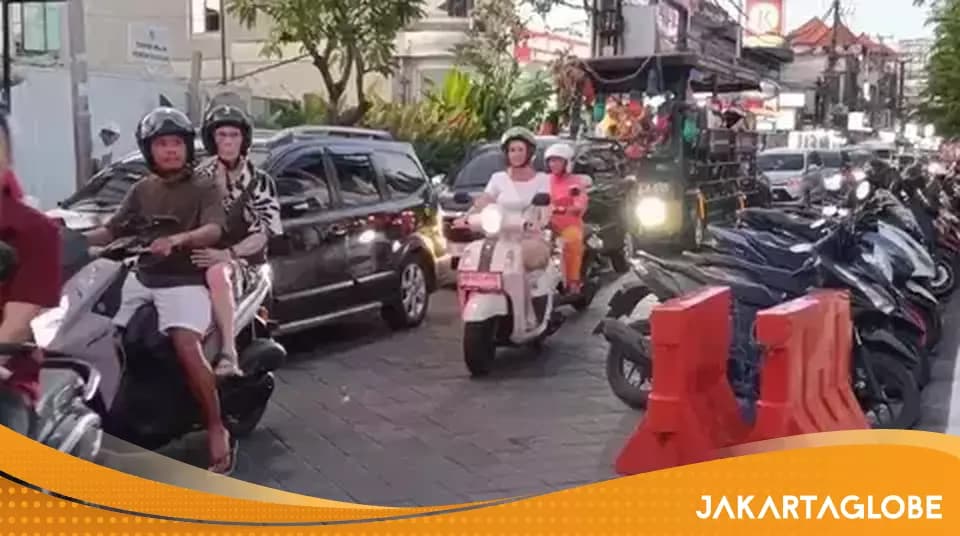
Bali police have launched a coordinated traffic enforcement campaign aimed at foreign tourists who violate road regulations, urging visitors to wear helmets and drive responsibly. The two-week initiative, known as Operation Zebra Agung 2026, runs from November 16 through November 29 and involves more than 1,000 deployed personnel across the island.
Police chief Insp. Gen. Pasma Royce emphasized that foreign nationals must follow the same traffic rules as Indonesian motorists. He warned that authorities would handle violations without preferential treatment, addressing recurring complaints about visitors riding motorcycles without helmets, driving recklessly, or operating vehicles without the required licenses.
The crackdown comes in response to alarming traffic safety statistics. Between January and October 2026, traffic police recorded 8,151 accidents on Bali's roads. This figure represents a 20% increase compared to the same period in the previous year. The accidents resulted in 449 fatalities and left 10,878 people seriously or slightly injured.
During a briefing at Bali Police headquarters in Denpasar, Pasma noted that a visitor's impression of Bali often begins on the roads, starting from their arrival at the airport and continuing as they travel to various tourist destinations. He stressed that dangerous driving practices by some foreign nationals endanger themselves and other road users, undermining the sense of safety and comfort that Bali is known for.
The police chief instructed officers to prioritize educational, persuasive, and humane approaches when dealing with motorists. However, he made clear that enforcement must apply equally to all road users, whether Indonesian citizens or foreign nationals. He stated that there must be no impression of selective enforcement, as that could undermine the credibility of the Bali Police.
To carry out the operation, police have deployed 1,067 joint personnel. This force comprises 263 officers from the provincial police headquarters and 804 from local police departments, with additional support from other government agencies.
Why it matters for hosts
Independent hospitality operators should proactively inform guests about the enforcement campaign and local traffic requirements. Consider adding a brief advisory to welcome materials or posting reminders at front desks about helmet use and the necessity of valid licenses for renting scooters or motorcycles. Guests who encounter legal trouble or fines during their stay may turn to their hosts for guidance, so being prepared with basic information about the operation and local traffic laws can help manage expectations and prevent negative experiences that could affect reviews.
This article is based on reporting by Antara, as published by the Jakarta Globe.
First reported by jakartaglobe.id.