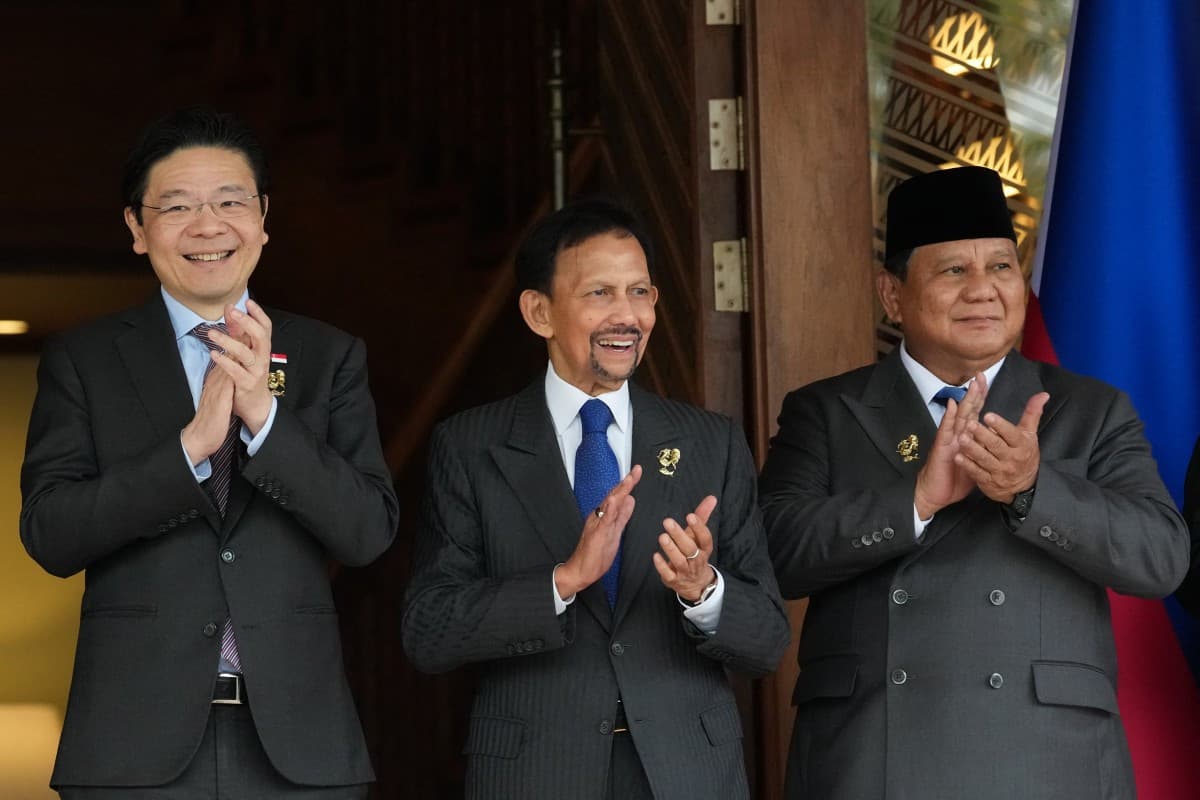
Indonesian President Prabowo Subianto has formally apologized to Singapore and Malaysia for the impact of forest fires that have scorched millions of hectares of land in 2026. Speaking during an ASEAN summit session in Manila on November 15, 2026, Prabowo acknowledged the cross-border effects of the haze that has drifted into neighboring countries. He stated that the Indonesian government has taken and will continue to take firm action against companies linked to the fires, adding that authorities are preparing to establish a new body to strengthen forest fire prevention.
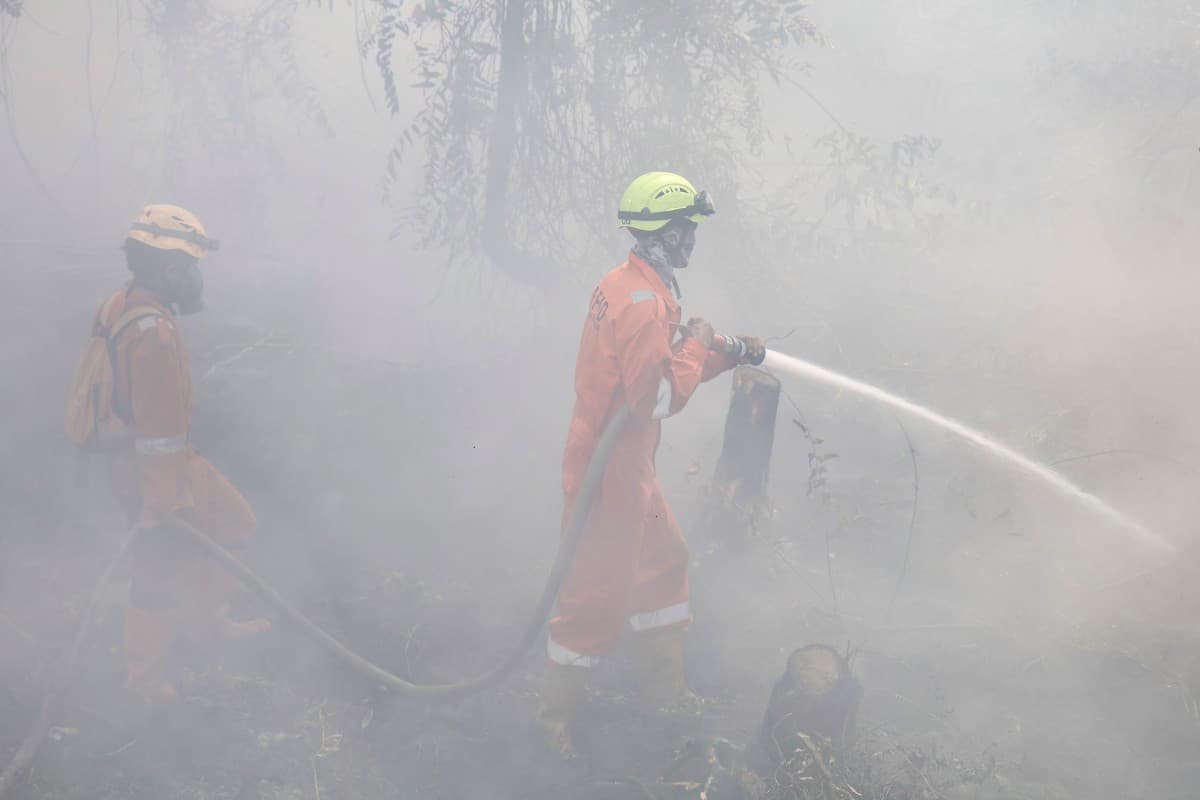
The apology comes as Indonesia battles its most intense wildfire crisis in 11 years. Satellite imagery analysis from deforestation monitoring site Nusantara Atlas reveals the scale of the disaster. Fires have burned through 2.88 million hectares, approximately 7.1 million acres, as of late October 2026. The burned area is roughly 18 times the size of London and has increased by nearly one million hectares since the monitor's previous update in September.
The fires have primarily affected the islands of Sumatra, Kalimantan, and Papua. According to Nusantara Atlas founder David Gaveau, the figure is a conservative estimate because smoke has obscured some satellite images. Even so, the total already exceeds the full-year figure for 2019, which was previously the worst year on record in the monitor's data. Indonesia also faced devastating fires in 2015, though different satellite imagery makes direct comparison difficult.
The government has not released official figures for burned areas since announcing that 202,000 hectares had been razed by the end of July. The gap between official figures and satellite analysis highlights the challenge of tracking the disaster in real time. The fires have been driven partly by a strong El Nino weather pattern, which typically brings drier conditions to the region.
Philippine Foreign Minister Theresa Lazaro noted that Indonesia was candid in expressing its efforts to address the fires during the ASEAN meetings. Leaders encouraged ASEAN member states to prioritize ratification of the ASEAN Coordinating Center on Transboundary Haze Pollution Control, a mechanism designed to address regional air quality issues.
For travelers planning visits to affected regions, the haze can cause significant air quality issues and visibility problems. The situation remains fluid, with potential impacts on outdoor activities and health for those with respiratory conditions.
Why it matters for hosts
Independent hospitality operators in Sumatra, Kalimantan, and Papua should prepare for guest inquiries about air quality and potential cancellations during haze events. Consider investing in indoor air purifiers for common areas and guest rooms, and maintain a stock of N95 masks for guests who request them. Having clear cancellation policies for weather-related events, plus up-to-date local air quality information to share with prospective guests, can build trust and help travelers make informed decisions.
This report was first published by The Jakarta Post.
First reported by thejakartapost.com.